Strong glutes are more than a visual goal they’re a cornerstone of strength, stability and injury prevention. Whether you want better athletic performance, improved posture or enhanced lower body power & targeted glute training delivers benefits that extend far beyond aesthetics.
Why Glute Strength Is Essential
Your glute muscles primarily the gluteus maximus, medius and minimus play a critical role in hip extension, pelvic stability and overall movement efficiency. Weak glutes often contribute to lower back discomfort, knee strain and poor posture. Strengthening them helps support the spine, stabilise the hips and improve functional strength for everyday activities like climbing stairs, lifting objects and walking.
Activating Before Strengthening
One of the most common training mistakes is jumping into heavy exercises without proper glute activation. Long hours of sitting can reduce neural engagement causing other muscles like the lower back or quads to compensate. Simple activation drills such as glute bridges, resistance band walks, or hip abductions “wake up” the muscles and enhance mind–muscle connection.
Best Exercises for Glute Growth
Effective glute training combines compound and isolation movements:
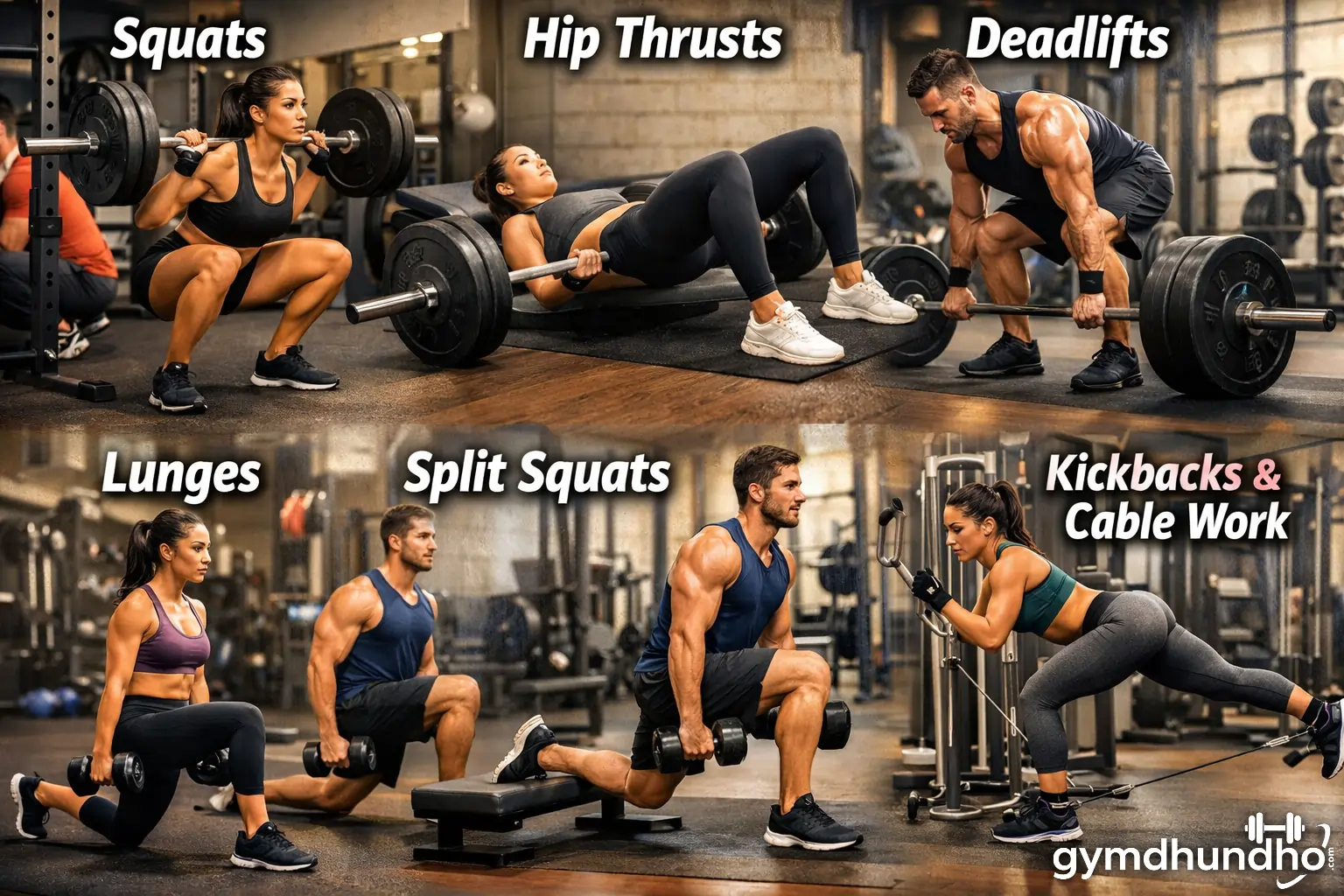
- Squats build overall lower-body strength while engaging the glutes when performed with proper depth and hip drive.
- Hip thrusts are among the most powerful glute-focused exercises, maximising contraction at the top.
- Deadlifts strengthen the posterior chain, including glutes and hamstrings.
- Lunges & split squats improve balance while targeting each side independently.
- Kickbacks & cable work isolate and refine muscle activation.
Programming for Results
Consistency and progressive overload are key. Training glutes two to three times per week with controlled intensity produces better results than sporadic high volume sessions. Aim for moderate rep ranges (8–15), focus on controlled tempo and gradually increase resistance as strength improves.
Common Mistakes to Avoid
Overemphasising cardio, rushing repetitions and using improper form can drastically reduce glute engagement. When tempo is too fast muscles lose time under tension a key driver of strength and growth. Poor technique such as shallow squats or limited hip extension often shifts the load to the quads and lower back instead of the glutes.
Another frequent error is skipping activation work. Without priming the glutes, surrounding muscles compensate, leading to weaker contractions and slower progress. Similarly lifting too heavy too soon compromises control and increases injury risk.
Final Thoughts
Building stronger glutes requires patience, precision and structured strength work. Prioritise activation, master technique and progress gradually. Over time you’ll develop not only improved muscle definition but also greater strength, stability and movement confidence.
Related posts:

Discover 10 powerful daily fitness habits that can help transform your body faster. From smarter workouts and better nutrition to recovery and consistency these simple habits can boost fat loss, build muscle and improve your overall fitness. Start applying them...
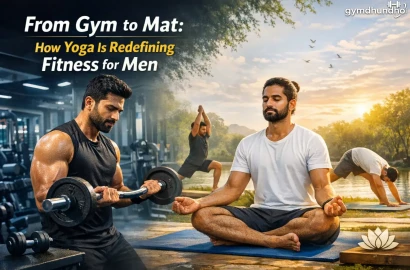
From heavy lifting to mindful movement men are embracing yoga for real strength, flexibility and mental clarity. This shift is redefining fitness beyond muscles focusing on mobility, balance and long term health. Discover why yoga is becoming the new powerhouse...
 10 Daily Fitness Habits That Can Completely Transform Your Body Faster
 From Gym to Mat: How Yoga Is Redefining Fitness for Men
 Unlock Maximum Strength: The Secret Power of Weightlifting Belts Revealed
 From Beginner to Beast: Jump Rope Cardio That Actually Works
 Beginner Fitness Made Simple: 10 Low Impact Moves That Actually Work